
Originally Published August 17th, 2026
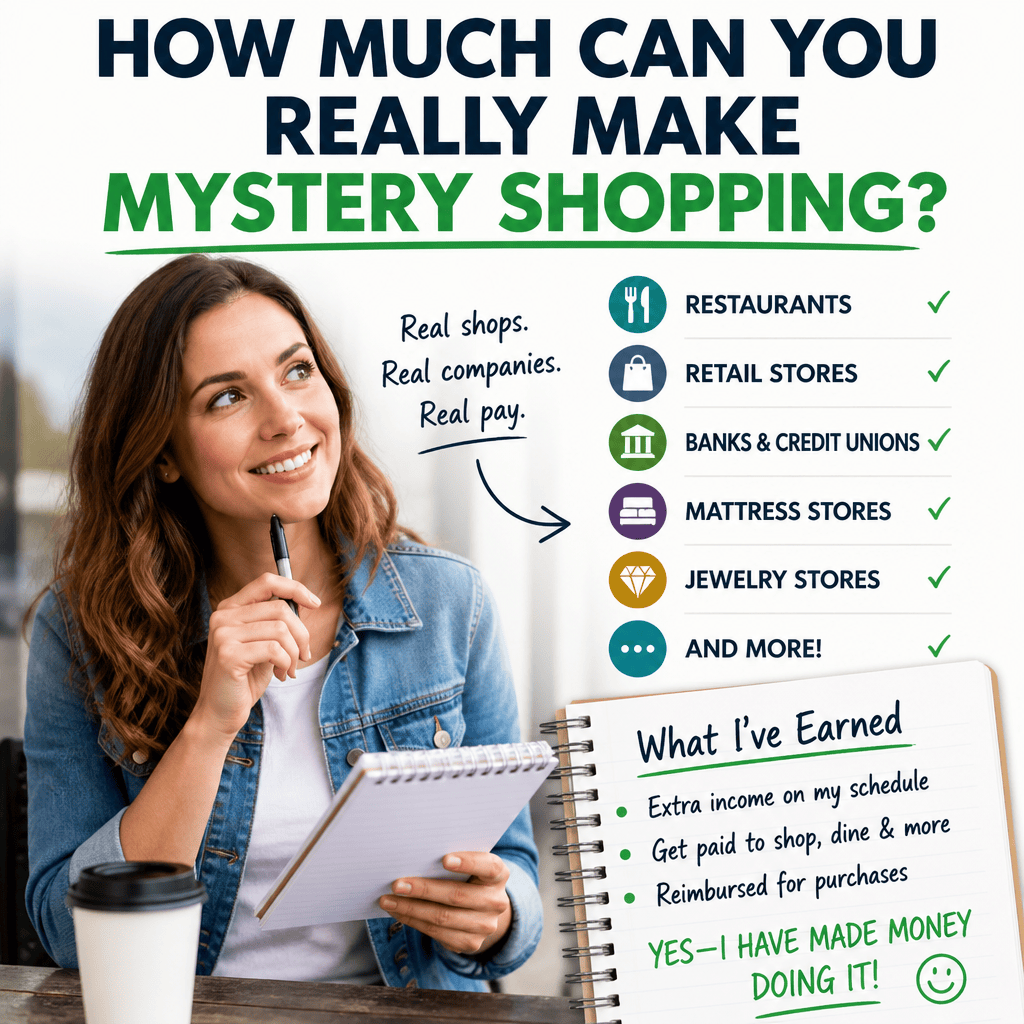
When I first started mystery shopping, I honestly had no idea how much was actually out there.
I knew people got paid to visit stores and restaurants and report on their experiences, but I didn’t realize just how many different types of mystery shops existed—or that there were so many legitimate companies offering them.
Six months later, I’ve completed everything from restaurant and retail shops to banks, mattress stores, jewelry stores, and other assignments I probably never would have walked into otherwise.
And yes—I have actually made money doing it.
But I’ve also learned that mystery shopping isn’t quite as simple as signing up for one website, picking a shop, and collecting a paycheck.
Here’s what my first six months have really looked like.
First Things First: Mystery Shopping Is Legit
One of the biggest questions I hear is whether mystery shopping is actually legitimate.
It absolutely can be.
The problem is that scams exist right alongside legitimate mystery shopping companies. If someone sends you a huge check out of nowhere and tells you to deposit it, buy gift cards, and send them the numbers—run.
That’s not mystery shopping.
Legitimate mystery shopping companies have an application and shopper portal. You choose or apply for assignments, follow specific instructions, complete the shop, submit a report, and then get paid according to that company’s payment schedule.You should never have to send someone money to become a mystery shopper.
You Need to Sign Up With More Than One Company
This was probably one of the biggest things I learned.
There isn’t one magical mystery shopping website with every available assignment.
Different mystery shopping companies have contracts with different clients. One company may have restaurants in your area while another has banks. Another might have retail stores, automotive shops, apartment tours, hotels, or phone assignments.
That’s why I recommend signing up with several legitimate companies.
The more companies you’re registered with, the more opportunities you’ll see.
It takes some time in the beginning because you’re creating profiles, filling out applications, adding payment information, and learning different platforms—but once everything is set up, it becomes much easier.
Aunt B’s Tip: If you use SASSIE companies, JobSlinger can make managing your accounts and finding opportunities much easier.
So…How Much Have I Actually Made?
I’m not going to tell you that mystery shopping is going to replace your full-time job.
For me, that’s not the goal.
I look at it as another stream of income—and sometimes a way to get things I already need or want paid for.
I’ve had months where I’ve made several hundred dollars from mystery shopping. I’ve also learned that how much you make depends heavily on how much effort you put into finding assignments.
There are weeks when I do several shops and weeks when I barely look at the job boards.
That’s one of the things I like about it.
I can do more when I have the time and back off when life gets busy.
The Pay Isn’t Always Just the Shop Fee
This confused me a little when I was new.
You might see an assignment advertised with a $15 fee and think:
I’m doing all of that for $15?!
Maybe. But you need to look at the entire offer.
Some assignments include a shopper fee plus reimbursement.
For example, you might receive:
- $20 shopper pay
- Up to $50 reimbursement for a required purchase or meal
You’re not making $70 in cash. You’re earning the $20 fee, while the reimbursement covers an expense you had to make to complete the assignment.
But that can still have value.
If I’m getting reimbursed for a meal I would enjoy anyway, that’s money I don’t have to spend out of my regular budget.
I’ve learned to look at both sides of an assignment:
How much am I actually earning, and what am I getting reimbursed for?
Some Shops Are Worth More to Me Than Others
This is where mystery shopping becomes very personal.
A restaurant shop with a small fee might be worth it if I’m getting a meal reimbursed.
A $15 retail shop that’s 45 minutes away? Probably not.
A bank shop paying a decent fee that’s ten minutes from my house? Now I’m interested.
I’ve also done assignments where the experience itself had value to me.
Recently, I completed a mattress store shop. I genuinely needed a new mattress, so instead of pretending I had absolutely no interest in buying one, I was able to learn about different mattresses, financing options, and what would actually work for me.
I ended up liking the experience enough that I plan to go back and make a real purchase.
That’s one of the unexpected benefits I’ve found with mystery shopping.
Sometimes you’re being paid to research something you actually need.
Don’t Forget About the Report
New shoppers tend to focus on the actual visit.
That’s only half the job.
After you leave, you still have to complete the report.
And some reports are EASY.
Others…
Well, let’s just say you’re going to earn that shopper fee.
You may need employee names or descriptions, exact times, specific questions that were asked, quotes from the employee, photos, receipts, business cards, detailed narratives, or information about the building.
I’ve learned to read the instructions before I ever leave home.
Then I read them again.
Missing one required photo or forgetting to ask one specific question can create a major headache later.
Take Notes Immediately
This is probably one of my biggest tips.
As soon as I leave a shop, I document what happened.
Don’t tell yourself:
“I’ll remember that when I get home.”
You won’t.
After you’ve done several shops in one day, conversations start running together.
Was that employee’s name Jason or Justin?
Did I walk in at 2:13 or 2:23?
Did she offer financing before or after showing me the second product?
Those little details matter.
The sooner I get my notes down, the easier the report is later.
Location Matters—a Lot
A $20 shop isn’t necessarily a $20 shop if you spend $12 in gas getting there.
I’ve gotten much better about looking at the map before accepting assignments.
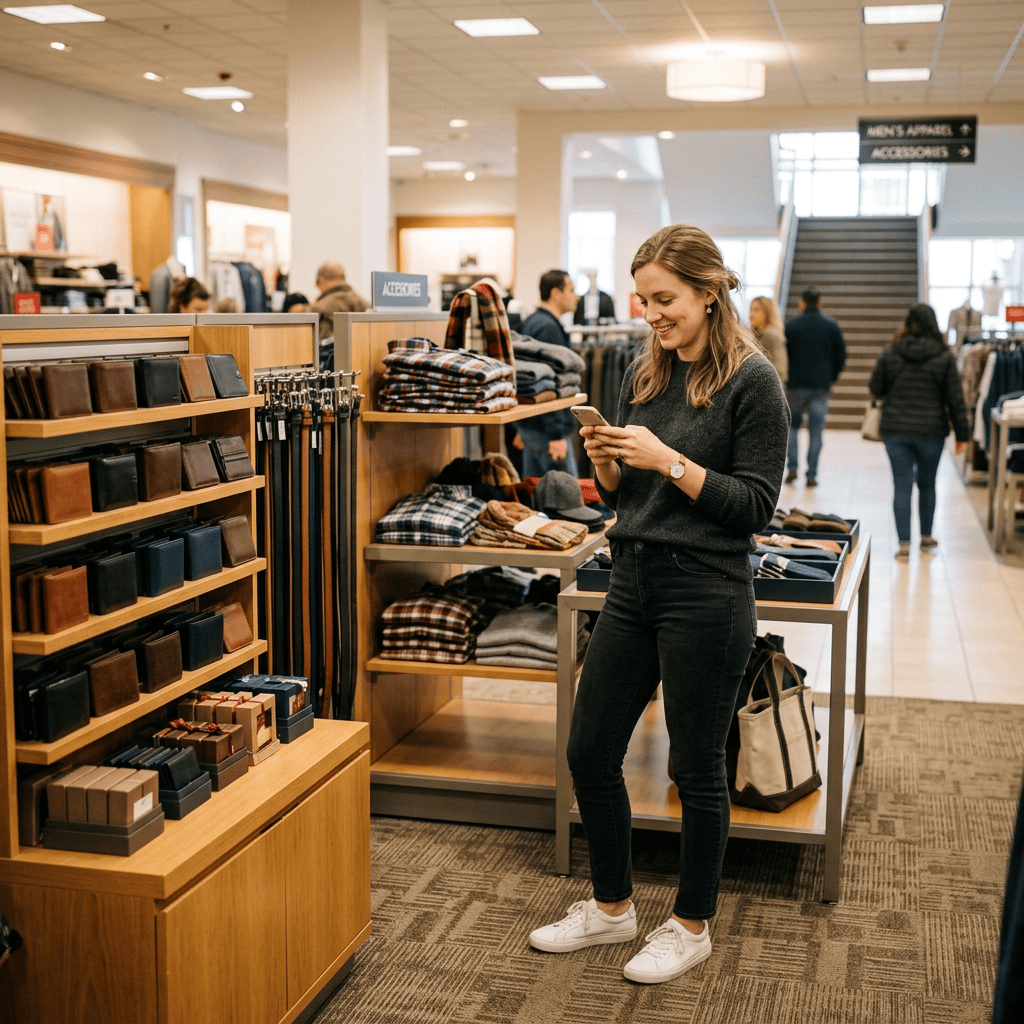
If I’m already going somewhere, I look to see what mystery shops are available nearby.
Sometimes I can stack several together.
Maybe I have a bank shop, retail shop, and restaurant shop all within a few miles of each other.
Now the drive makes a lot more sense.
I’ve learned that planning your route can be just as important as choosing the assignment.
Watch for Bonuses
Here’s something I didn’t fully appreciate when I started:
Shop fees can change.
An assignment nobody wants at the beginning of the month may suddenly become much more attractive when the deadline gets closer.
Schedulers need those assignments completed.
Sometimes bonuses start appearing.
I’ve learned not to automatically jump on every low-paying assignment the second I see it—especially if it’s far away or something I don’t particularly want to do.
Sometimes waiting pays off.
Of course, you can also wait too long and someone else grabs it.
That’s part of the game!
You Won’t Get Paid Immediately
This is REALLY important for beginners.
Mystery shopping is not instant money.
You may have to spend your own money to complete an assignment and then wait weeks to receive your shopper payment and reimbursement.
Different companies have different payment schedules.
That means you need to keep track of:
What you spent.
What you’re owed.
Which company owes you.
When you completed the shop.
When you’re supposed to get paid.
Once you’re working with multiple companies, it can get confusing very quickly.
I highly recommend keeping a mystery shopping tracker.
Your Reputation Matters
Something else I’ve learned over these six months is that you’re building a shopper history.
Companies can see whether you submit your reports on time and whether your work is accurate.
Schedulers remember dependable shoppers.
That means I don’t recommend grabbing every assignment you possibly can when you’re brand new.
Take a few.
Learn the process.
Do them well.
Then add more.
I’d rather complete five shops correctly than accept ten and panic because I can’t meet the deadlines.
Is Mystery Shopping Worth It?
For me?
Yes.
Not because I think I’m going to quit my job and become a full-time secret shopper.
I like it because it’s flexible.
I can make extra money.
I can get meals and purchases reimbursed.
I’ve gotten to try businesses I might not have visited otherwise.
And, admittedly, there’s something fun about walking into a business knowing you’re secretly evaluating the entire experience.
It’s become one of my favorite side hustles because I can decide how much—or how little—I want to do.
What I Wish Someone Had Told Me When I Started
If you’re thinking about trying mystery shopping, here’s what I would tell you after my first six months:
Don’t sign up for just one company.
Don’t accept an assignment without reading the requirements.
Don’t assume a reimbursement is the same thing as cash earnings.
Don’t drive 40 miles for a $12 shop without doing the math.
Don’t wait until the next day to write down important details.
Don’t spend more than the allowed reimbursement unless you’re okay paying the difference.
Don’t take more assignments than you can realistically finish.
And definitely don’t expect to get paid tomorrow.
But also?
Don’t assume the opportunities aren’t there.
I was surprised by how many legitimate mystery shopping assignments were available once I knew where to look.
Want to Try Mystery Shopping?
Because one of the hardest parts for me in the beginning was figuring out which companies were legitimate, I put together Your Free Mystery Shopping Guide
It includes legitimate mystery shopping companies I’ve personally worked with, along with direct links to help you start creating your shopper accounts.
I’m also working on sharing more of what I’ve learned—the good shops, the frustrating ones, tips for writing reports faster, how I track payments, and ways I’ve learned to make mystery shopping more profitable.
Six months in, I’m definitely still learning.
But if you’ve ever wondered whether people really get paid to secretly shop, eat at restaurants, visit banks, tour stores, and evaluate customer service…
Yep. We really do!
And I’m having a lot more fun with it than I ever expected.
Disclosure: Some links on Aunt B’s Corner may be affiliate links. If you sign up or make a purchase through one of these links, I may receive a small commission. I only share mystery shopping companies and resources I personally use, have worked with, or believe may be helpful to my readers.



Leave a Reply